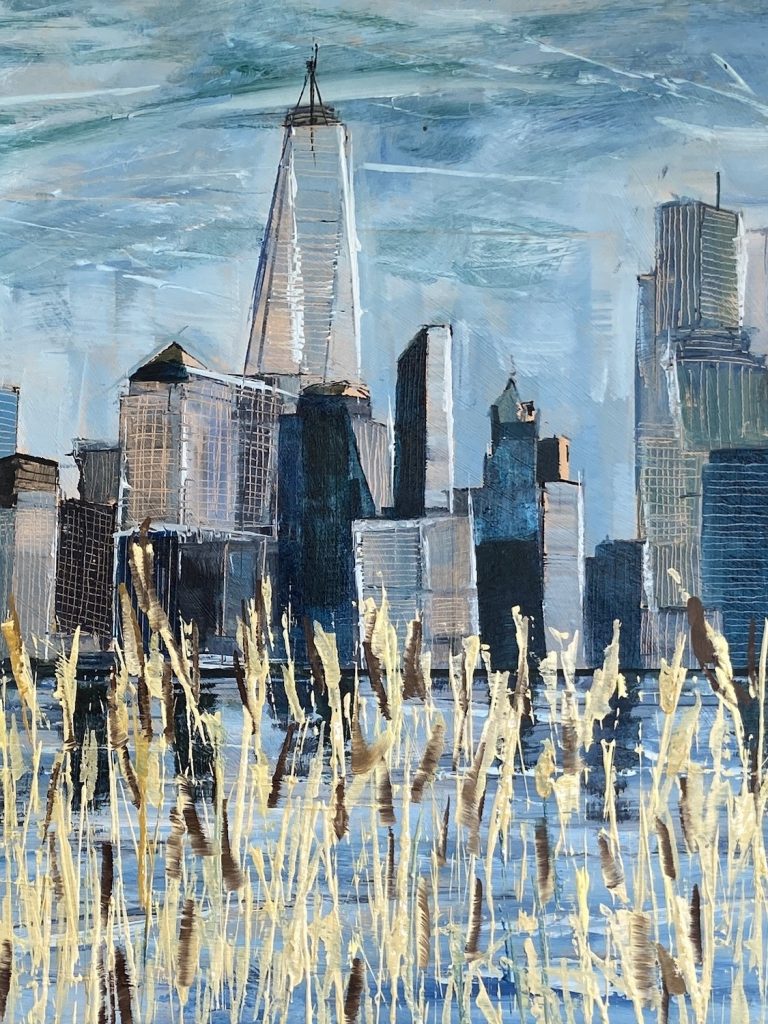
In Praise of Shadows*
Recently working on an oil painting and wanting to make some of the buildings appear as in shadows. I considered glazes to do this. A glaze is a thin layer of transparent dark paint put over dry, lighter paint. This creates deep, rich dark areas without hiding the details underneath.
How to glaze shadows
- Mix your dark paint with a glazing medium like linseed oil or an alkyd medium.
- Keep the mix very thin so light passes through it.
- Paint the thin mix over the dry areas that need to be in shadow.
- Wipe off extra paint with a soft cloth if the mix is too dark.
- Let the layer dry completely before you add another glaze layer.
Choosing Colours for Shadows
- Do not use pure black paint for shadows.
- Use transparent colours like burnt umber, raw umber, or ultramarine.
- Warm shadows look good with burnt sienna or transparent red iron oxide.
- Cool shadows look good with deep blues or greens.
Recommended Shadow Mixes
- For Cool, Deep Shadows: Mix Ultramarine Blue with a touch of Burnt Umber. This creates a rich, transparent chromatic black that looks natural on blue glass and concrete.
- For Industrial, Moody Shadows: Mix Phthalo Blue with Paine’s Grey. This creates a very deep, cool shadow perfect for modern steel structures.
- For Distant, Hazy Shadows: Mix Cobalt Blue with a tiny touch of Alizarin Crimson. This mimics the atmospheric perspective seen on buildings far away.
How to Apply the Glaze
- Dry Completely: Ensure your base blue skyscraper paint is 100% dry to the touch so you do not smudge it.
- Dilute Heavily: Mix 90% glazing medium (like Liquin or Stand Oil) with just 10% of your chosen shadow paint.
- Paint the Planes: Apply the glaze in single, clean vertical or horizontal strokes to mimic the hard geometric edges of modern architecture.
- Soft Edges: Use a dry, soft brush to soften the edges of the shadow where it meets the light, if needed.
The buildings in my painting are blueish glass in sunlight. Skyscrapers that line the banks or the East River in NY.
Because painting contacts reflective glass skyscrapers in direct sunlight, your shadows will actually contain highly vibrant, saturated colours. Glass behaves like a mirror, so its shadow side does not just get darker—it reflects the deep blue of the sky away from the sun.
Recommended Color Recipes
- Deep Sky Reflections: Mix Phthalo Blue with a touch of Dioxazine Purple and plenty of medium. Phthalo blue is highly transparent, mimics the intensity of the sky, and will darken your base layer without making it muddy.
- High-Contrast Shadows: Mix Prussian Blue with a tiny speck of Burnt Umber. This creates a dark, structural tone that looks excellent on the window frames and deep recesses of a glass building.
- Warm Counter-Light: Mix Ultramarine Blue with a micro-dot of Alizarin Crimson. Glass often reflects subtle warmth near the edges of a shadow plane.
Additional ideas/tips for glass buildings
- Keep It Vibrant: Avoid using black, grey, or too much brown. Glass shadows must look luminous and full of color, not dirty.
- Mask Hard Edges: Use low-tack artist tape on your completely dry painting to get razor-sharp shadow lines across the windows.
- Leave High-Value Sparks: Do not glaze over your brightest highlights or sun glints. Paint your shadow glaze right up to the edge of the highlight to make the sun look blindingly bright.
- Vary the Glass Panes: When glazing, let some individual window panes be slightly darker or lighter than others to mimic how different windows tilt and reflect light at varying angles
· *In Praise of Shadows is an essay by Jun’ichirō Tanizaki about Japanese aesthetics. Tanizaki observations include cultural notes on customs and traditions, people, historical places and buildings. 1933. An excellent read. 101 pp
Category: Art Practise, Inspiration